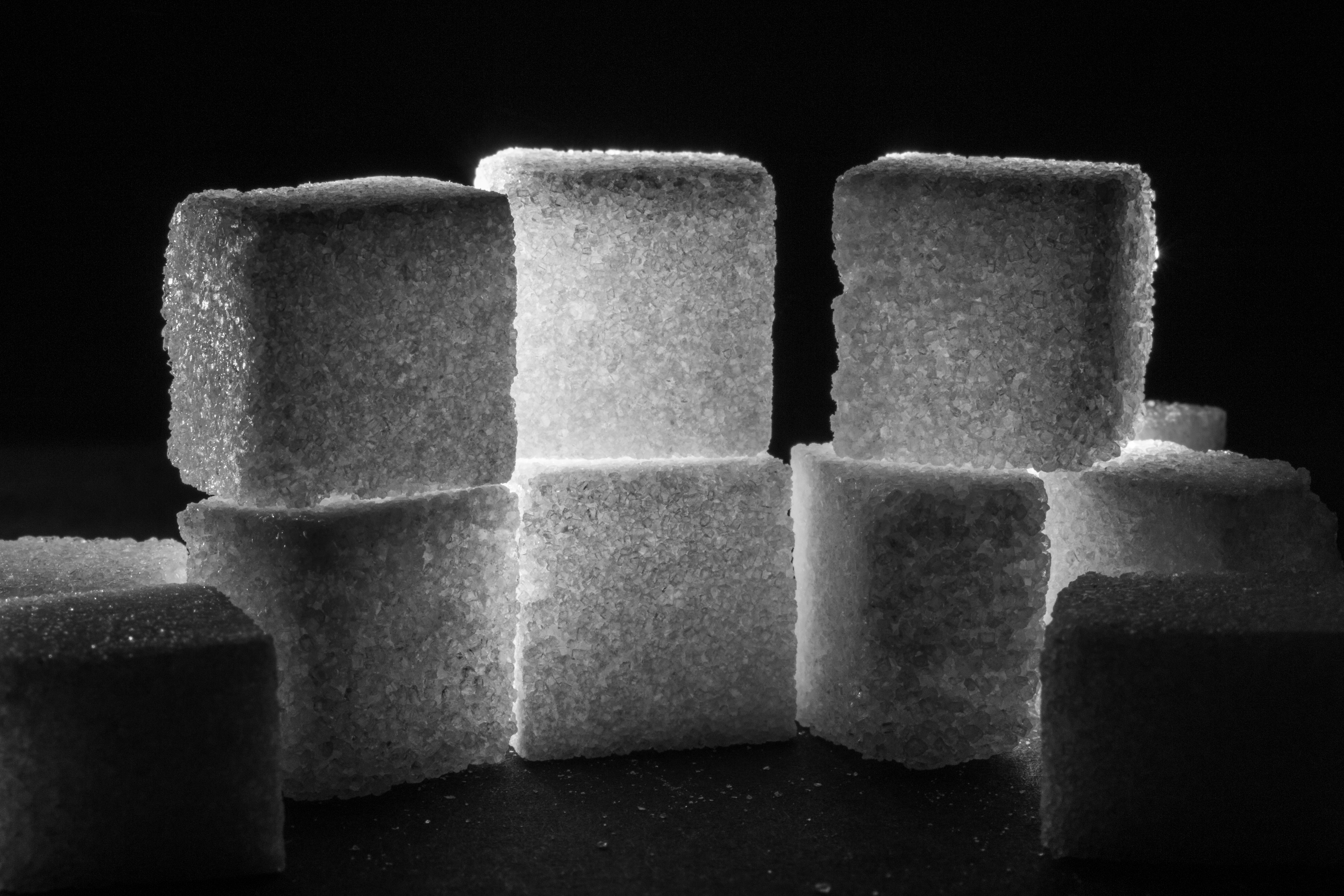
Eating sugar can make you feel cold, and the chill usually isn't imaginary. A fast-absorbed sweet snack triggers a big insulin release that can push blood glucose down sharply, and the body's emergency response to that dip constricts the blood vessels in your skin. That combination, a blood-sugar trough plus reduced skin circulation, reads as a shiver. In people with weaker insulin sensitivity, the meal also produces less heat in the first place (Mayo Clinic, 2023).
For most healthy people this is a harmless reaction that passes within a couple of hours. For anyone with blood sugar issues, thyroid problems, or diabetes medication, the same chill is a signal worth taking seriously. This article covers the mechanism, when to worry, and how to smooth the curve.
Like our breakdown of why knuckle cracking makes that sound, this is a science explainer.
Why do you feel cold after eating sugar?
Reactive hypoglycemia, sometimes called postprandial hypoglycemia, is the most common culprit. It happens when blood sugar dips after a meal, usually within two to four hours (Mayo Clinic, 2023). The body reads the dip as stress and floods you with epinephrine, which triggers sweating, trembling, and a fast heartbeat while skin blood vessels narrow (Verywell Health, 2026).
That narrowed skin circulation is the key. Your extremities lose heat faster, so even if your core is fine, your hands and face feel cold. The effect is stronger when the sugar hits an empty stomach, because nothing slows absorption and the insulin spike overshoots further (Mayo Clinic, 2023).
Timing helps you read the event. The sympathetic wave from a rapid insulin spike usually lands within the first hour, while the classic trough shows up two to four hours after the meal (Mayo Clinic, 2023). A chill that appears minutes after a candy bar and fades within the hour is different from one that arrives late and lingers.
Wait, doesn't eating sugar warm you up?
Here's the twist: eating usually raises body temperature, not lowers it. The thermic effect of food (TEF) covers the energy cost of digesting, absorbing, and storing nutrients, and it amounts to roughly 10% of daily energy expenditure on a mixed diet (Westerterp, 2004). Whole-room calorimetry found core temperature rose by 0.06°C during normal feeding and up to 0.19°C on a high-carbohydrate overfeed (Metabolism, 2019).
So the cold you feel isn't your core cooling down from digestion. More likely, the chill is a skin-level event: blood moving away from your periphery while the stress response fires. That distinction matters, because it changes what the symptom means: a real core drop would need a different conversation than a skin-deep shiver (Metabolism, 2019).
There's also a ceiling on all of this. The same 2019 study found core temperature could only climb so far, roughly 37°C, no matter how much people ate, which is why a single candy bar never produces a real fever (Metabolism, 2019). That's because diet-induced thermogenesis is modest, about 5% to 15% of daily energy expenditure (Westerterp, 2004).
Why do some people run colder after sugar than others?
Insulin sensitivity decides a lot of this. Classic research showed the thermic effect of infused glucose and insulin was only 5.3% to 7.5% of the glucose energy given, and that sympathetic nervous activity drove almost all of the heat beyond the basic cost of storing glucose (Journal of Clinical Investigation, 1984). A responsive nervous system generates that warmth; when it's blunted, the same meal warms you less.
A 2008 study using both direct and indirect calorimetry found a 50-gram glucose drink raised metabolic rate by 13% in healthy controls but just 5.2% in obese women, and the lean controls kept higher skin temperatures throughout (British Journal of Nutrition, 2008). That gap matches real-world reports: people with weaker insulin sensitivity often run colder after sweets.
| Macronutrient | Thermic effect of food |
|---|---|
| Fat | 0-3% |
| Carbohydrate | 5-10% |
| Protein | 20-30% |
| Alcohol | 10-30% |
Is cold after sugar a sign my blood sugar actually dropped?
Sometimes yes, and the test is timing plus symptoms. Genuine reactive hypoglycemia means glucose fell below roughly 70 mg/dL (3.9 mmol/L), typically two to four hours after a carb-heavy meal (Verywell Health, 2026). But many people with these symptoms never get a low reading at all. That's why doctors separate true hypoglycemia from a symptom pattern that just feels like one (Mayo Clinic, 2023).
That doesn't make the chill less real, just less dangerous. A symptom pattern without a measured glucose dip doesn't need emergency treatment, though tracking it is smart. If you have a glucometer, checking during the cold wave separates the two cleanly: under 70 mg/dL is a real low, anything higher points to a nervous-system response (Mayo Clinic, 2023).
- Shakiness, trembling, and a cold, clammy feeling (Mayo Clinic, 2023)
- Sweating and a fast or uneven heartbeat
- Weakness, fatigue, or sudden hunger
- Dizziness or lightheadedness
- Headache, irritability, or trouble concentrating
Before you trust an AI answer about your symptoms, learn how to check the claim first.
Does this mean I have diabetes?
Not by itself. Plenty of healthy people with perfectly normal glucose control get a dip after a high-glycemic meal, especially one eaten alone on an empty stomach. It can, however, be an early sign that insulin handling is slipping, sometimes years before a type 2 diabetes diagnosis. The pattern alone isn't diagnostic, but it's a reason to check (Mayo Clinic, 2023).
Pair the chill with classic diabetes flags and the calculation changes. Ongoing thirst, urinating more often, unexplained fatigue, or weight loss without dieting deserve a doctor's visit, and a fasting glucose test is the standard first step (Mayo Clinic, 2023). Mention coldness at other times too, since low thyroid activity has its own signs.
If you want a formal answer, a doctor can order a mixed-meal tolerance test, which measures glucose and insulin for hours after a standardized meal and shows whether your levels truly dip into hypoglycemic territory (Verywell Health, 2026). Many people with sugar-chill symptoms come back entirely normal, and that result is itself the answer: a nervous-system event, not a metabolic disorder.
Sugar chill vs fever chill: how to tell them apart
| Signal | Sugar chill | Fever or infection chill |
|---|---|---|
| Onset | Within the first hour of a fast-absorbing sweet, with the classic trough 2-4 hours later | Builds over hours, unrelated to meals |
| Skin | Cold, sweaty, or clammy | Hot to the touch once fever peaks |
| Duration | Fades as glucose normalizes | Persists until the fever breaks |
| Companion signs | Hunger, shakiness, fast heartbeat | Aches, cough, or other illness signs |
| Response to food | Improves after eating | Unchanged by eating |
The table is a quick screen, not a diagnosis. When chills come with confusion, a real fever, or any loss of consciousness, that's beyond sugar territory and needs medical attention. When they follow a sweet load and fade as you eat something balanced, they're almost always benign (Mayo Clinic, 2023).
How do I stop the sugar chill?
Blunt the spike and you blunt the overshoot. A 2019 crossover trial found low-glycemic meals cut four-hour glucose area under the curve by about 9%, and pairing them with cereal fiber cut post-meal insulin response by up to 43% (Nutrients, 2019). Fiber slows the rise, so the pancreas overreacts less, and a smaller insulin wave means a smaller trough.
Protein-rich meals also produce smaller glucose and insulin swings than carbohydrate-heavy ones (Frontiers in Nutrition, 2024). The practical version: eat your protein and vegetables first, sweets last, and never chase a sugar spike with more sugar on an empty stomach (Mayo Clinic, 2023).
- Eat protein, vegetables, and fat first; finish with the sweet (Nutrients, 2019)
- Never eat sugar alone on an empty stomach (Mayo Clinic, 2023)
- Pick whole fruit and low-glycemic carbs over pure refined sugar
- Space meals roughly three hours apart instead of bingeing
- Move gently after a sweet meal so muscles help clear the glucose
- Ask a doctor to check glucose and thyroid if the chill keeps coming
Feeling cold after sugar is usually a benign nervous-system wave, not a sign you're breaking. The cold comes from skin blood vessels narrowing during a glucose dip or a sympathetic surge, and people with weaker insulin sensitivity also produce less post-meal heat. Keep it rare by pairing sweets with protein and fiber, and get a glucose and thyroid check if the chill becomes your default response (Mayo Clinic, 2023).
Sources and further reading
- Mayo Clinic: Reactive hypoglycemia, what causes it? (2023)
- Verywell Health: Reactive hypoglycemia, when blood sugar drops after eating (2026)
- Westerterp: Diet induced thermogenesis, Nutrition & Metabolism (2004)
- Journal of Clinical Investigation: Thermic effect of glucose in man, obligatory and facultative thermogenesis (1984)
- British Journal of Nutrition: Thermic effect of glucose in obese subjects (2008)
- Metabolism: Core body temperature, energy expenditure, and epinephrine during feeding (2019)
- Nutrients: Effects of glycemic index and cereal fiber on postprandial responses (2019)
- Frontiers in Nutrition: Protein-rich meals and glycemic and hormonal responses (2024)
- About Savviest: editorial policy and methods
Bottom line
Feeling cold after sugar is usually a benign nervous-system wave, not a sign you're breaking. The cold comes from skin blood vessels narrowing during a glucose dip or a sympathetic surge, and people with weaker insulin sensitivity also produce less post-meal heat. Keep it rare by pairing sweets with protein and fiber, and get a glucose and thyroid check if the chill becomes your default response (Mayo Clinic, 2023).
What we still don't know
This is a fast-moving story. We update the post as new facts land — and we'll flag it when we do.
Enjoyed this? Pay it forward
A sharp story is worth passing on. Share it with the people who read tech like it matters.